DIN 934 Hex Nut About
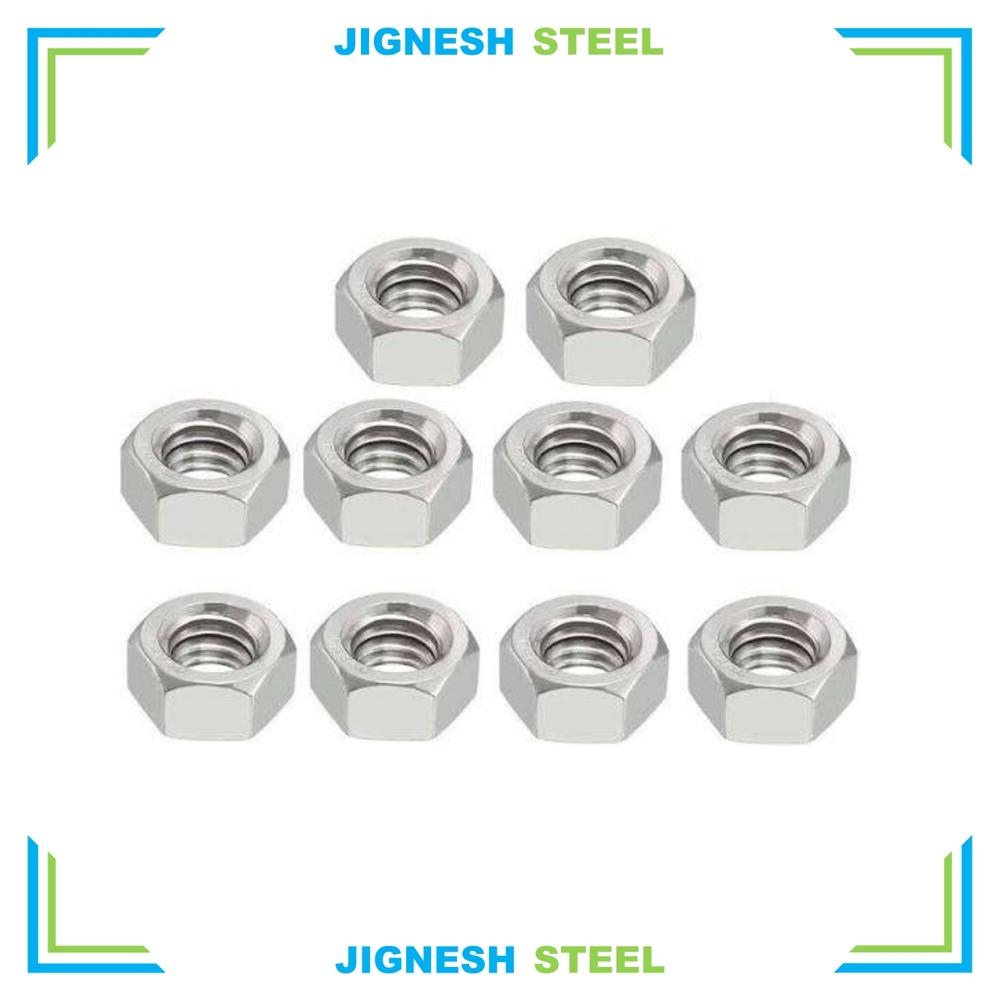
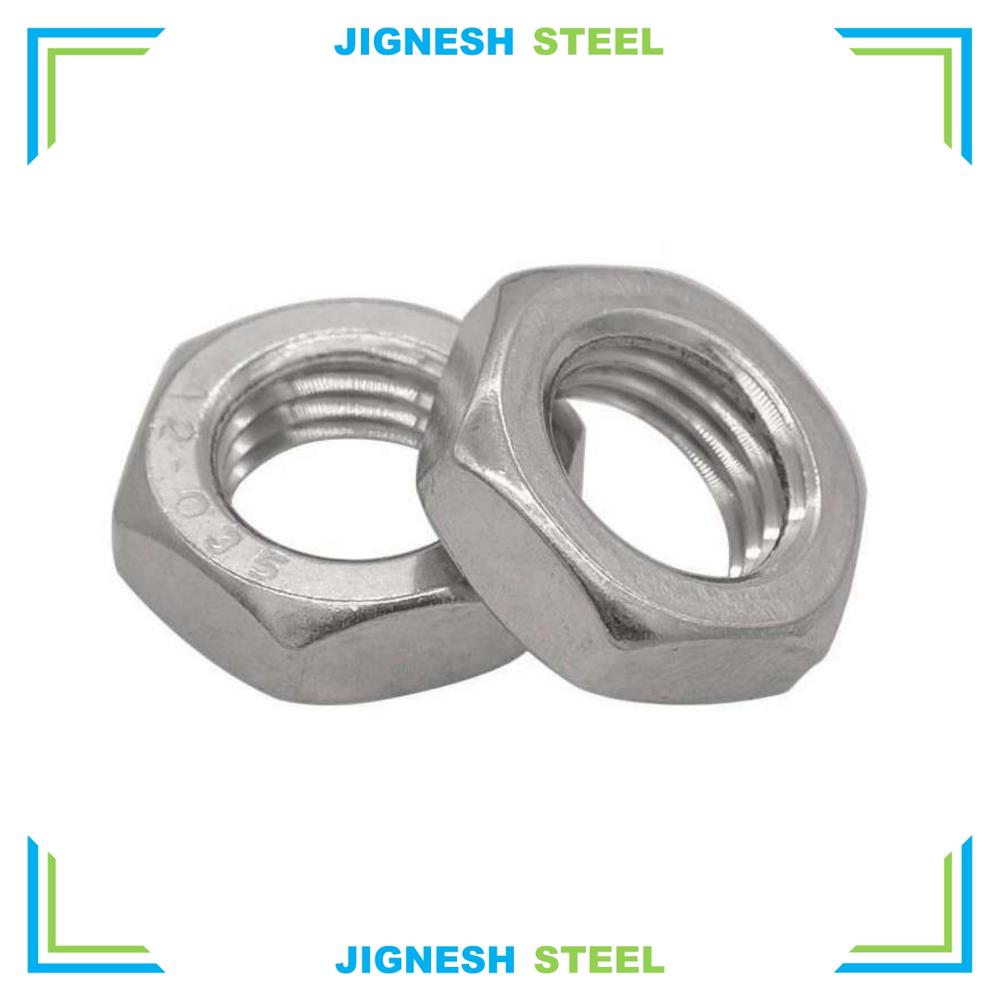
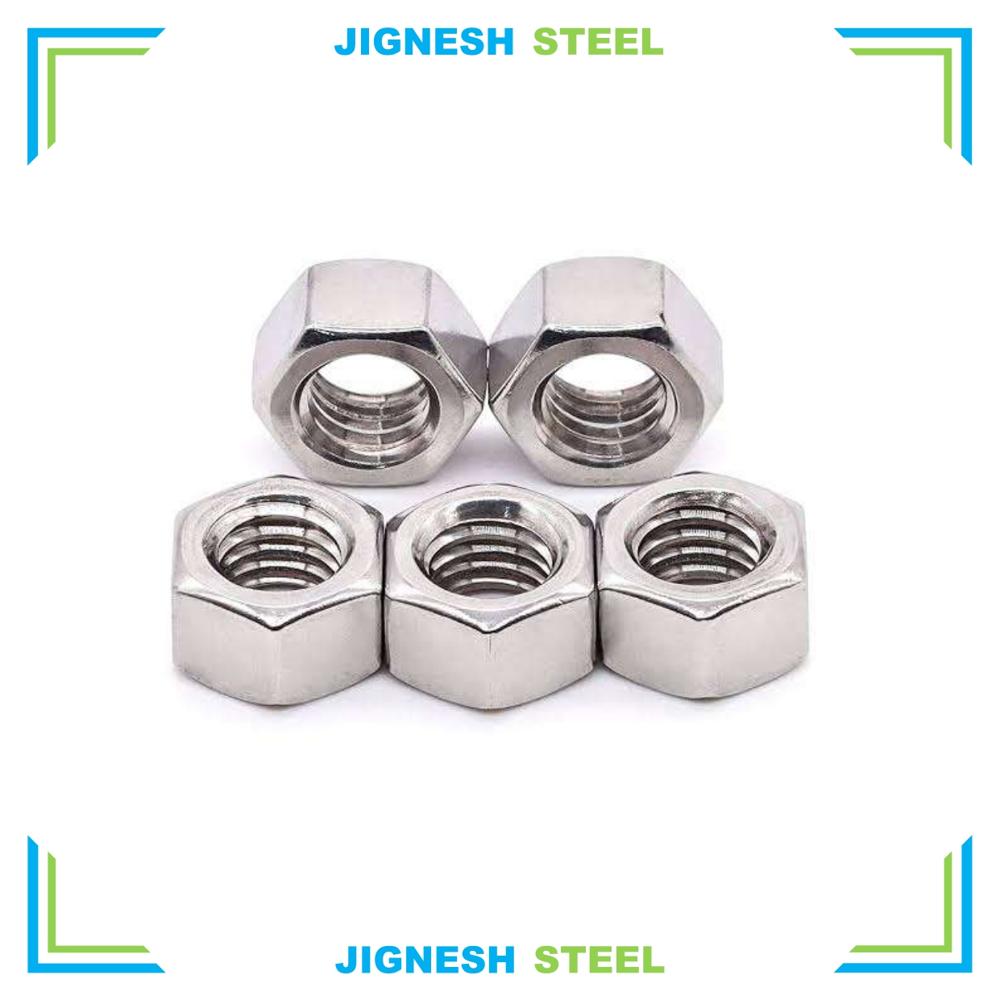
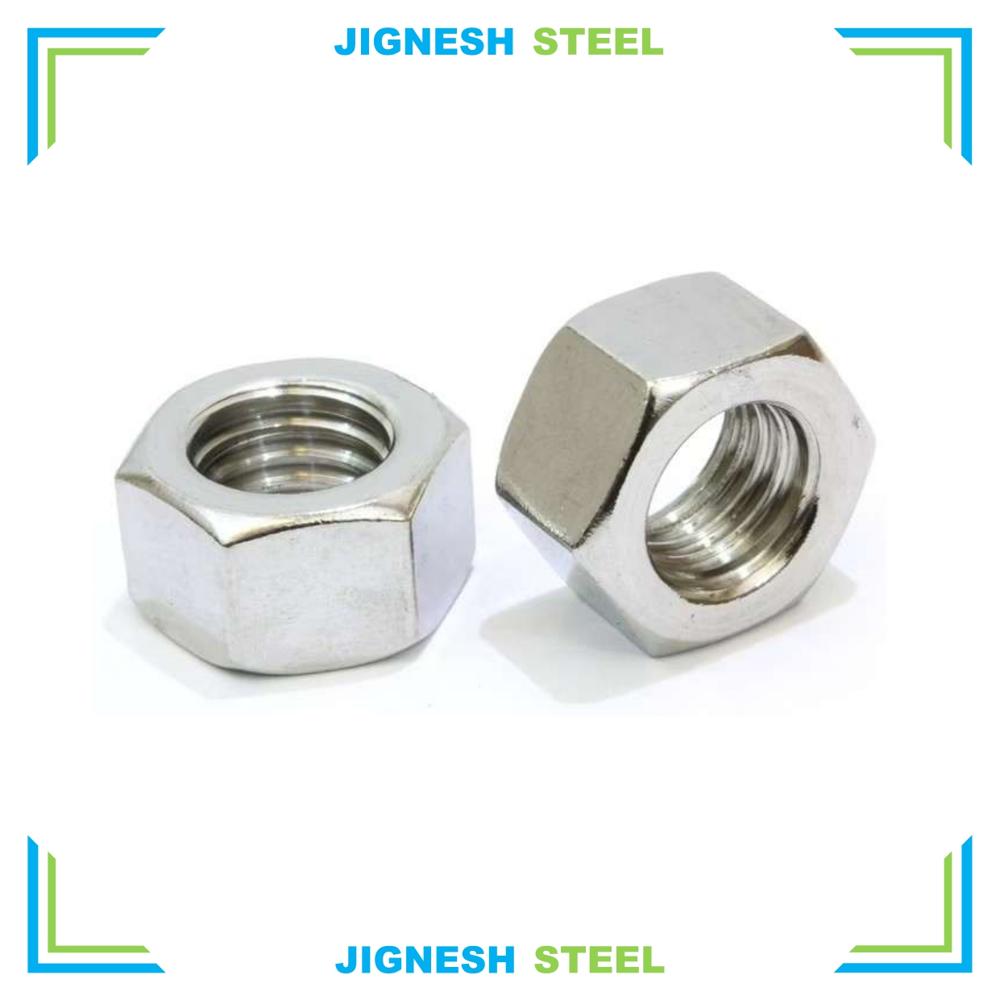
The Stainless Steel DIN 934 Hex Nut is a universally recognized, standard metric internal thread fastener featuring a classic six-sided geometry. Governed by the German Institute for Standardization, the DIN 934 standard outlines the dimensional profiles for standard-height hex nuts. Crafted from high-grade austenitic stainless steel, this nut is designed to mate with matching bolts, screws, and threaded rods to securely clamp structural components together while providing excellent resistance to atmospheric rust and corrosion.
Key Features & Design
- Standard Height Profile: Engineered with a classic full-height dimensional thickness that ensures full thread engagement with mating bolts for reliable load distribution.
- Six-Sided Driving Geometry: Designed with standard flat sides for stable, slip-free tool engagement using standard metric spanners, sockets, or open wrenches.
- Precision Internal Threading: Machined precisely to standard metric coarse or metric fine thread pitches with a standard 6H internal thread tolerance class.
- Clean Metallic Finish: The natural, polished stainless steel surface provides a bright aesthetic look that avoids rust-bleeding, removing the need for superficial anti-corrosion coatings.
Material Grades & Specifications
Stainless steel DIN 934 nuts are classified under specifications like DIN 267 Part 11 and are primarily available in two material variants:
- A2 Stainless Steel (Grade 304): The standard commercial grade. Formulated with an 18/8 Chromium-Nickel base, it delivers excellent corrosion resistance in typical outdoor atmospheres, moisture-heavy structures, and internal framing.
- A4 Stainless Steel (Grade 316): Marine-grade stainless steel fortified with 2% to 3% Molybdenum. It actively prevents pitting, crevice corrosion, and chloride cracking in heavy chemical plants or salt-spray maritime environments.
- Property Class: Most frequently cold-formed to Class 70 (A2-70 or A4-70), certifying a baseline tensile strength of 700 MPa to prevent thread stripping under high torque. It is also available in strain-hardened Class 80 (800 MPa) for heavy-stress applications.
DIN 934 vs. ISO 4032 Dimensional Note
While DIN 934 is widely used globally, it has been technically superseded by the international ISO 4032 standard. Engineers must note slight variations in the Width Across Flats (WAF / wrench size) and total nut height for specific metric nominal diameters:
- M10 Diameter: DIN 934 utilizes a 17 mm WAF (whereas ISO 4032 utilizes a reduced 16 mm WAF).
- M12 Diameter: DIN 934 utilizes a 19 mm WAF (whereas ISO 4032 utilizes a reduced 18 mm WAF).
- M14 Diameter: DIN 934 utilizes a 22 mm WAF (whereas ISO 4032 utilizes a reduced 21 mm WAF).
- Nut Height: ISO 4032 nuts are slightly thicker (higher) than DIN 934 nuts to provide increased thread engagement.
Target Applications & Industries
- Industrial Machinery: Securing motors, gearboxes, conveyor systems, and automated factory equipment.
- Commercial Construction: Assembling outdoor handrails, architectural balustrades, glass canopy framing, and solar PV racking structures.
- Water & Fluid Management: Joining standard plumbing fittings, pipe flanges, water storage tanks, and pump brackets.
- Hygienic & Cleanroom Settings: Selected across food-processing arrays, medical hardware, and commercial kitchens due to non-magnetic, sterile, and easily cleaned surfaces.
Extensive Material VersatilityOur DIN 934 Hex Nuts are available in an extensive range of stainless steel grades, including 304, 316, 310, 321, and more. This diversity allows these nuts to perform in various demanding environments, accommodating specific industry requirements for durability, temperature resistance, and anti-corrosive properties.
Precision Engineering and FinishEach nut is made to the precise measurements and specifications detailed in DIN 934, ensuring consistent quality and dimensional accuracy. The buffed, polished finish provides a sleek appearance while enhancing resistance to wear, oxidation, and chemical exposure.
Applications Across IndustriesDue to their reliable performance and resilience, DIN 934 Hex Nuts are widely used in construction, manufacturing, petrochemical, marine, and automotive sectors. From fastening machinery to securing pipeline flanges, these hex nuts are engineered to deliver dependable service in both indoor and outdoor environments.
FAQ's of DIN 934 Hex Nut:
Q: What materials are used to manufacture the DIN 934 Hex Nuts?
A: DIN 934 Hex Nuts are produced from a wide range of stainless steel grades, such as 304, 316, 310, 321, 410, 420, duplex, super duplex, and specialty materials like Alloy 20, Nitronic 50, and 17-4 PH, ensuring tailored performance for diverse industrial needs.
Q: How are DIN 934 Hex Nuts finished and why is this important?
A: These hex nuts feature a self-colored, buffed, and polished surface, which is crucial for enhancing corrosion resistance, providing a smooth finish, and minimizing the risk of thread galling or seizing, especially in aggressive environments.
Q: Where are DIN 934 Hex Nuts commonly used?
A: They are widely used in construction, marine, chemical processing, machinery, automotive, and energy industries. Their durability and resistance to corrosion make them suitable for both indoor and outdoor, as well as harsh or high-temperature environments.
Q: What is the main benefit of choosing DIN 934 Hex Nuts in stainless steel grades?
A: The primary advantage is superior resistance to corrosion, heat, and chemical attack. This extends service life, reduces maintenance, and ensures reliable, long-term fastening solutions in even the toughest conditions.
Q: How can DIN 934 Hex Nuts be installed?
A: These nuts are designed with a hex drive, allowing easy installation and removal using standard wrenches or sockets. Their metric threading ensures compatibility with standardized bolts or studs.
Q: What is the usage process for these hex nuts?
A: During assembly, the nuts are screwed onto a compatible metric-threaded bolt or rod and tightened to the required torque, creating a secure connection that can be disassembled when needed without damaging the threads.






 English
 Spanish
 French
 German
 Italian
 Chinese (Simplified)
 Japanese
 Korean
 Arabic
 Portuguese
 Send Inquiry
 Send Inquiry

